

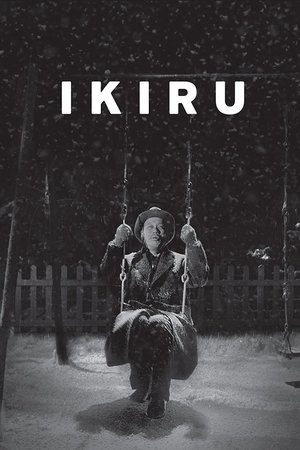
Ikiru
A big story of a little man which will grip your soul...
Kanji Watanabe is a middle-aged man who has worked in the same monotonous bureaucratic position for decades. Learning he has cancer, he starts to look for the meaning of his life.
- 8.3
- 1952
- Released
- 2h 23m
Takashi Shimura
Kanji Watanabe
Haruo Tanaka
Sakai
Nobuo Kaneko
Mitsuo, son of Kanji
Bokuzen Hidari
Ohara
Miki Odagiri
Toyo
Shinichi Himori
Kimura
Minoru Chiaki
Noguchi
Minosuke Yamada
Subordinate Clerk Saito
Kamatari Fujiwara
Sub-Section Chief Ono
Makoto Kobori
Kiichi Watanabe, Kanji's Brother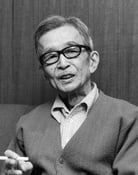
Nobuo Nakamura
Deputy Mayor
Atsushi Watanabe
Patient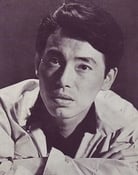
Isao Kimura
Intern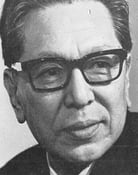
Masao Shimizu
Doctor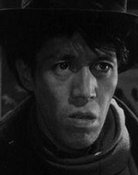
Yūnosuke Itō
Novelist
Yoshie Minami
The Maid
Kumeko Urabe
Tatsu Watanabe
Eiko Miyoshi
Housewife
Noriko Honma
Housewife
Yatsuko Tan'ami
Bar Hostess
Kin Sugai
Housewife
Kyôko Seki
Kazue Watanabe
Kusuo Abe
City Assemblyman
Tomo'o Nagai
Newspaperman
Seiji Miyaguchi
Yakuza Boss
Daisuke Katō
Yakuza
Hiroshi Hayashi
Yakuza
Fuyuki Murakami
Newspaperman
Hirayoshi Aono
Newspaperman
Toranosuke Ogawa
Park Section Chief
Akira Sera
Worker in General AffairsIchirō Chiba
PolicemanAkira Tani
Bar OwnerYōyō Kojima
Worker in Sewage Section
Toshiyuki Ichimura
Pianist
Harue Kuramoto
DancerRasa Saya
Stripper
Taizō Fukami
Baseball SpectatorTateo Kawasaki
Civil Engineering Section Staff
Keiichirō Katsumoto
Park Division StaffHaruko Toyama
Cabaret Woman
Sachio Sakai
Yakuza (uncredited)
Shōichi Hirose
Yakuza (uncredited)Kôji Uno
Yakuza (uncredited)Yaeko Izumo
Housewife (uncredited)Jirô Mitsuaki
City Hall Executive (uncredited)Sôkichi Maki
General Manager (uncredited)
Haruo Suzuki
Sanitation Division Receptionist (uncredited)Takeo Nagashima
(uncredited)Kazuo Imai
(uncredited)
Shigeo Katō
(uncredited)Hiroshi Akitsu
Infectious Diseases Section Receptionist Staff (uncredited)Ippei Kawagoe
Road Section Receptionist (uncredited)Mitsuo Tsuda
City Planning Receptionist (uncredited)
Keiji Sakakida
Land Readjustment Section Receptionist (uncredited)
Takuzō Kumagai
Fire Department Staff (uncredited)Tsuneo Katagiri
(uncredited)Junpei Natsuki
Patient (uncredited)
Hiroshi Koizumi
Jazz Bar Guest (uncredited)Jun'ichirō Mukai
(uncredited)
Kyoko Aoyama
Schoolgirl (uncredited)![Ikiru (1952) Original Trailer [4K]](https://img.youtube.com/vi/geKhyNerWM8/hqdefault.jpg)

Released
ja
$55,240.00
- #dying and death
- #japan
- #bureaucracy
- #age difference
- #praise
- #office
- #night life
- #sense of life
- #playground
- #obsequies
- #swing
- #loneliness
- #office politics
- #black and white
- #co-workers relationship
- #infatuation
- #wake
- #public works
- #bureaucrat
- #thoughts of retirement
- #terminal cancer
- #city park
- #civil servant
- #monotonous life
- #accomplishments
- #office gossip
- #depressing
- #burocracia
- #terceira idade


Reviews
Typical Kurasawa creative framing in the beginning of the movie. The scene of dancers shot through bead curtains swinging in time to the music was brilliant. His choice of Miki Odagiri for muse is brilliant. Her laugh is infectious. The last act stuck me as rather static. It's perhaps from cultural mores about the dead I don't understand (like the taboo of not ever sticking your chopsticks into t

I watched the English follow-up version (Living) before watching this original, and wished I had reversed my order. I liked Living much more than this original, but since both were written by the same Japanese scriptwriter, my preference might be cultural rather than due to quality issues, not to mention the scriptwriter had come up with improvements through the intervening years. The club and

Takashi Shimura is "Watanabe", an elderly civil service lifer who is told that he has terminal stomach cancer. After years of a disciplined, rather pedestrian existence he now feels a need to emancipate himself and start to live a little. The story is told through two threads: one looks at the end of the old gent's life from his own perspective; the second takes a retrospective view from the wake