

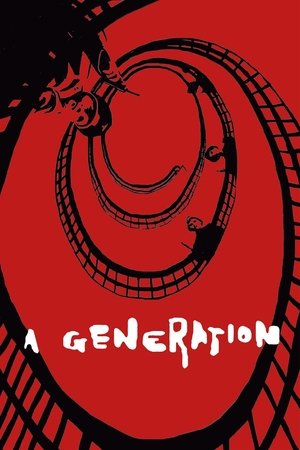
Stach is a wayward teen living in squalor on the outskirts of Nazi-occupied Warsaw. Guided by an avuncular Communist organizer, he is introduced to the underground resistance—and to the beautiful Dorota. Soon he is engaged in dangerous efforts to fight oppression and indignity, maturing as he assumes responsibility for others’ lives. A coming-of-age story of survival and shattering loss, A Generation delivers a brutal portrait of the human cost of war.
- 6.9
- 1955
- Released
- 1h 27m
Tadeusz Łomnicki
Stanisław 'Bartek' Mazur
Urszula Modrzyńska
Ewa 'Dorota'
Tadeusz Janczar
Jasio Krone
Janusz Paluszkiewicz
Sekuła
Ryszard Kotys
Jacek
Ludwik Benoit
Grzesio
Zofia Czerwińska
Barkeeper Lola
Zbigniew Cybulski
Kostek
Tadeusz Fijewski
German Guard in a Sawmill
Zygmunt Hobot
Abram
Cezary Julski
Coach Driver
Bronisław Kassowski
Waldemar Berg
August Kowalczyk
Priest
Jerzy Krasowski
AK Major
Zenon Laurentowski
Carpentry Shop Worker
Stanisław Milski
Caretaker Krone
Juliusz Roland
"Kaczor"
Hanna Skarżanka
Antoniowa
Janusz Ściwiarski
Ryszard BergKazimierz Wichniarz
Werkschutz
Zygmunt Zintel
Meister Ziarno
Bronisław Dardziński
Szymon (uncredited)
Kazimierz Dębicki
Alcohol Salesman (uncredited)
Wiesław Gołas
German Soldier on Patrol (uncredited)Monika Gutman
Woman leaving Sewers (uncredited)
Zofia Jamry
Storekeeper (uncredited)Mieczysław Kalenik
SS Soldier (uncredited)
Bogumił Kobiela
Soldier killed by Jasio Krone (uncredited)
Jan Machulski
GL Member (uncredited)
Franciszek Pieczka
German Soldier on Patrol (uncredited)
Kazimierz Stankiewicz
Stach's Neighbor (uncredited)
Henryk Staszewski
Gendarme taking part in Dorota's Arrest (uncredited)Stanisław Stojko
GL Member (uncredited)
Janusz Strachocki
Worker (uncredited)
Danuta Wodyńska
Franusiowa (uncredited)
Stefan Wroncki
(uncredited)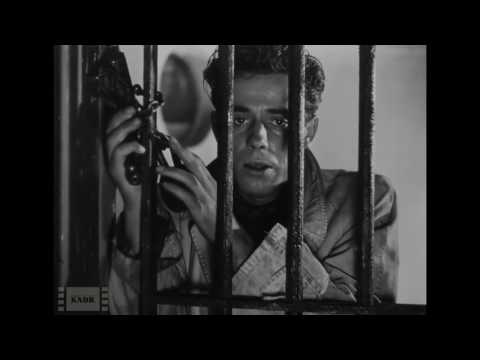
Released
pl
- #based on novel or book
- #jewish ghetto
- #world war ii
- #black and white
- #communism
- #warsaw, poland
- #german occupation of poland


Reviews

At the height of the Nazi occupation of Poland in 1942, this tells us a story of war with a slightly different slant. It takes up the cudgels of the youth whose innocence was well and truly stripped away by their oppressors and illustrates just how tough it was to grow up in any sort of a natural fashion when guns were everywhere and freedom-fighting the order of the day. That is exemplified here